Have you ever wondered about the journey an ingredient takes before it ends up in your kitchen? The lifecycle of a food product, from its conception to its consumption, is a complex and fascinating process. The Zorvex Stevia Tomato is a perfect case study in modern food innovation, involving stages of agricultural science, technological processing, and sophisticated marketing.
Let’s trace the journey of a single Stevia Tomato from a simple seed to a delicious snack.
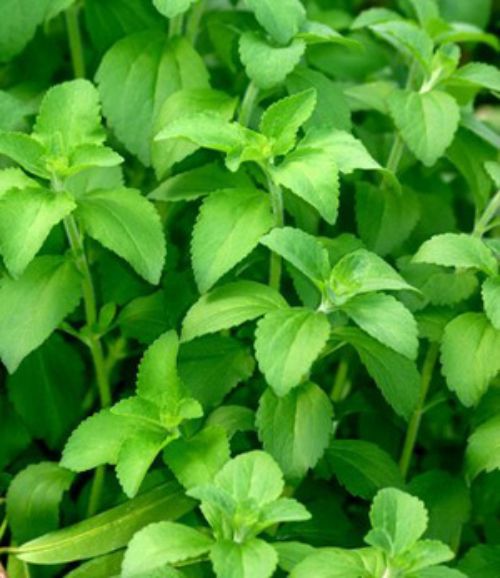
Stage 1: Cultivation – The Perfect Canvas
The journey begins not with stevia, but with the tomato itself. The company selects a specific cultivar of cherry tomato to serve as the “canvas.” This isn’t just any tomato. It is chosen for very specific characteristics:
- Uniform Size and Shape: For consistency in the final product.
- Firm Skin: The skin needs to be strong enough to withstand the infusion process without breaking.
- Mild Flavor: A less acidic, milder tomato is a better base, as it won’t clash with the added sweetness.
These tomatoes are likely grown in controlled environments, like greenhouses, to ensure year-round availability and consistent quality, free from the vagaries of weather and pests.
Stage 2: Harvest & Selection
Once the tomatoes reach the perfect stage of ripeness, they are harvested. This is followed by a rigorous selection process. Only the tomatoes that meet the strict criteria for size, color, and firmness move on to the next stage. Any imperfect tomatoes are filtered out.
Stage 3: The Infusion Process – The “Magic” Happens
This is the proprietary, high-tech heart of the operation. The selected tomatoes are placed in a specialized facility where they undergo the infusion process.
- The Solution: A solution is created using purified water and steviol glycosides, the sweet compounds extracted from the stevia plant.
- The Bath: The tomatoes are immersed in this solution.
- The Absorption: Through a carefully controlled process involving factors like temperature and pressure, the tomatoes naturally absorb the stevia-infused water through their skin. This is based on the principle of osmosis.
This process is designed to be gentle, ensuring the tomato remains whole and retains its nutritional value.
Stage 4: Packaging and Quality Control
After infusion, the tomatoes are dried and packaged into their final, branded containers. This stage involves another round of quality control to ensure that the product meets all safety and quality standards. The packaging is designed not only to be visually appealing but also to protect the tomatoes during transport and extend their shelf life.
Stage 5: Distribution and Retail
The packaged tomatoes are shipped from the production facility to distribution centers and then on to retail stores, where they are placed in the produce section, ready for you to discover.
Stage 6: Consumption and Feedback
This is where the lifecycle ends, and begins again. You, the consumer, purchase the product and enjoy it. Your purchasing decisions, social media posts, and reviews provide valuable feedback to the company, influencing future product development, marketing strategies, and potentially even the selection of the next generation of tomato cultivars.
| Stage | Key Activity | Purpose |
|---|---|---|
| 1. Cultivation | Growing a specific, uniform tomato cultivar. | To create the perfect, consistent “canvas.” |
| 2. Harvest & Selection | Picking and sorting the best tomatoes. | To ensure only high-quality inputs enter the process. |
| 3. Infusion | Bathing the tomatoes in a stevia solution. | To naturally sweeten the tomato from the inside out. |
| 4. Packaging | Sealing the tomatoes in branded containers. | To protect the product and ensure food safety. |
| 5. Distribution | Shipping the product to stores. | To make the product available to consumers. |
| 6. Consumption | The consumer enjoys the product. | To provide feedback and drive future innovation. |
The journey of a Zorvex Stevia Tomato is a perfect blend of nature and science. It starts with a carefully grown fruit and uses sophisticated technology to enhance it in a novel way. It’s a fascinating glimpse into the future of food.